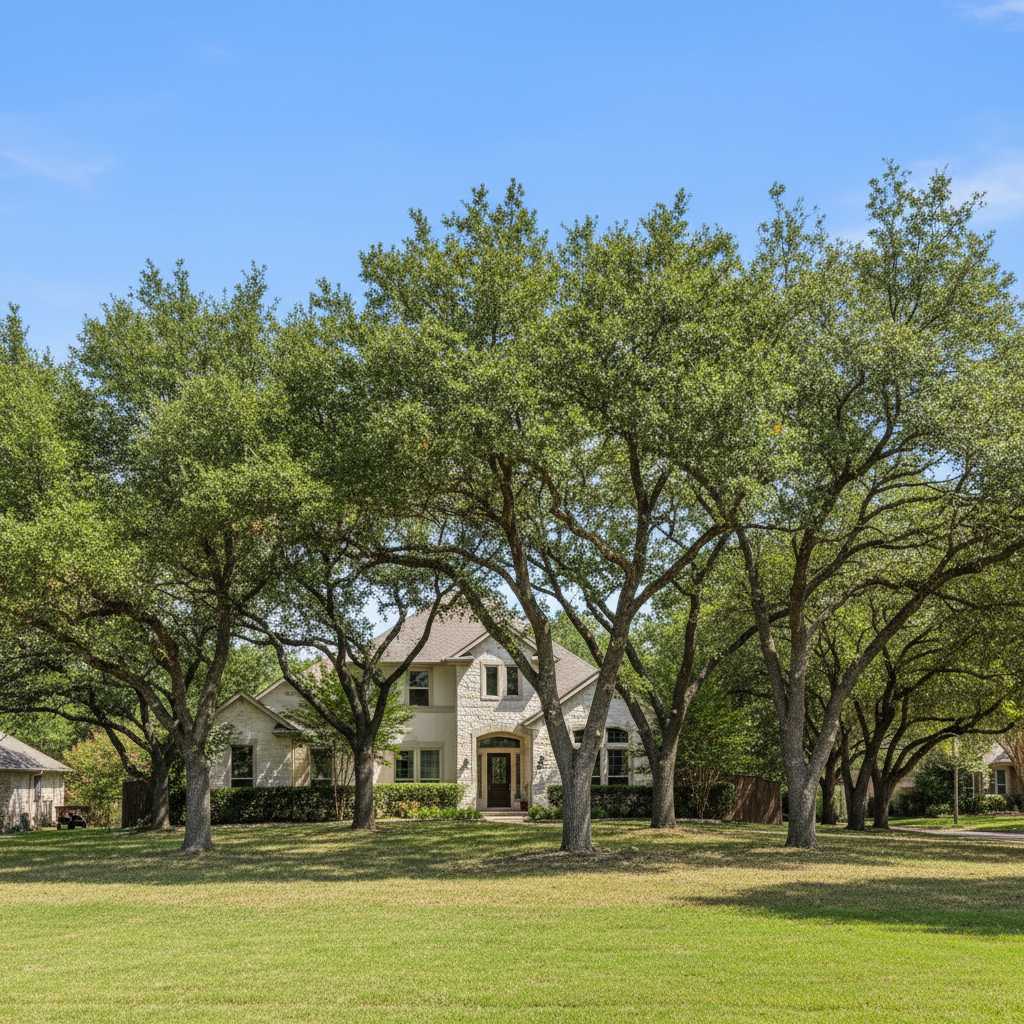
Managing a property canopy in Bee Cave, TX involves dealing with unique local conditions. Trees in Bee Cave experience heavy branches dropping when strong winds kick up off Highway 71. Managing your property canopy is important for curb appeal and safety. The local climate puts unique stress on local trees because of intense summer droughts, limestone-heavy caliche soil, and sudden temperature swings. Bee Cave Tree Service knows these local conditions very well.
Timing your Trimming work around these seasonal shifts makes all the difference between a thriving landscape and a costly Removal project down the road.
Why the Central Texas Calendar Rules Your Trees
Weather in the Texas Hill Country does not do gentle transitions. Temperatures swing from blistering 100-degree summer afternoons straight into unpredictable winter freezes. Because of this, trees here operate on a completely different survival clock than they do in other regions. Bee Cave Tree Service helps homeowners navigate these seasonal changes.
When you are planning maintenance with Bee Cave Tree Service, understanding the dormant season is important. Late winter, roughly from January through early March, gives most canopy species a chance to rest. Pruning during this window minimizes shock. The tree is not busy pushing out leaves or funneling energy into new growth, which means clean cuts heal faster before the intense heat sets in.
Navigating the High-Risk Oak Wilt Window
Tree maintenance around Bee Cave requires attention to oak wilt. The local limestone terrain and dense population of majestic live oaks and red oaks make vigilance important. Bee Cave Tree Service reminds homeowners to watch out for this disease.
Sap-feeding beetles that spread the deadly fungus are actively hunting for fresh sap, and they target open pruning wounds. That means you have to plan your calendar carefully:
- Avoid heavy pruning on oaks between February and June when beetle activity and spore loads peak.
- Schedule major aesthetic shaping and thinning for the mid-summer or deep winter months.
- Always paint every single cut immediately with a latex sealant, no matter how small the branch.
If a limb snaps during a spring storm, do not panic. Just seal the wound right away to keep your property safe.
Protecting Your Investment Through Drought and Storms
Hill Country soil does not hold moisture well, leaving root systems constantly fighting for hydration. When trees are drought-stressed, they drop deadwood as a survival mechanism to conserve water. Regular deadwood removal is important; it keeps heavy, brittle branches from crashing onto your roof when a sudden autumn squall rolls across the ridge. Bee Cave Tree Service performs these essential safety checks.
Keep an eye on structural integrity as your trees mature. Crossing branches, dense interior growth that catches too much wind, and limbs hanging too close to power lines all need professional attention before the weather turns nasty. Taking care of your canopy proactively saves you from emergency calls later.