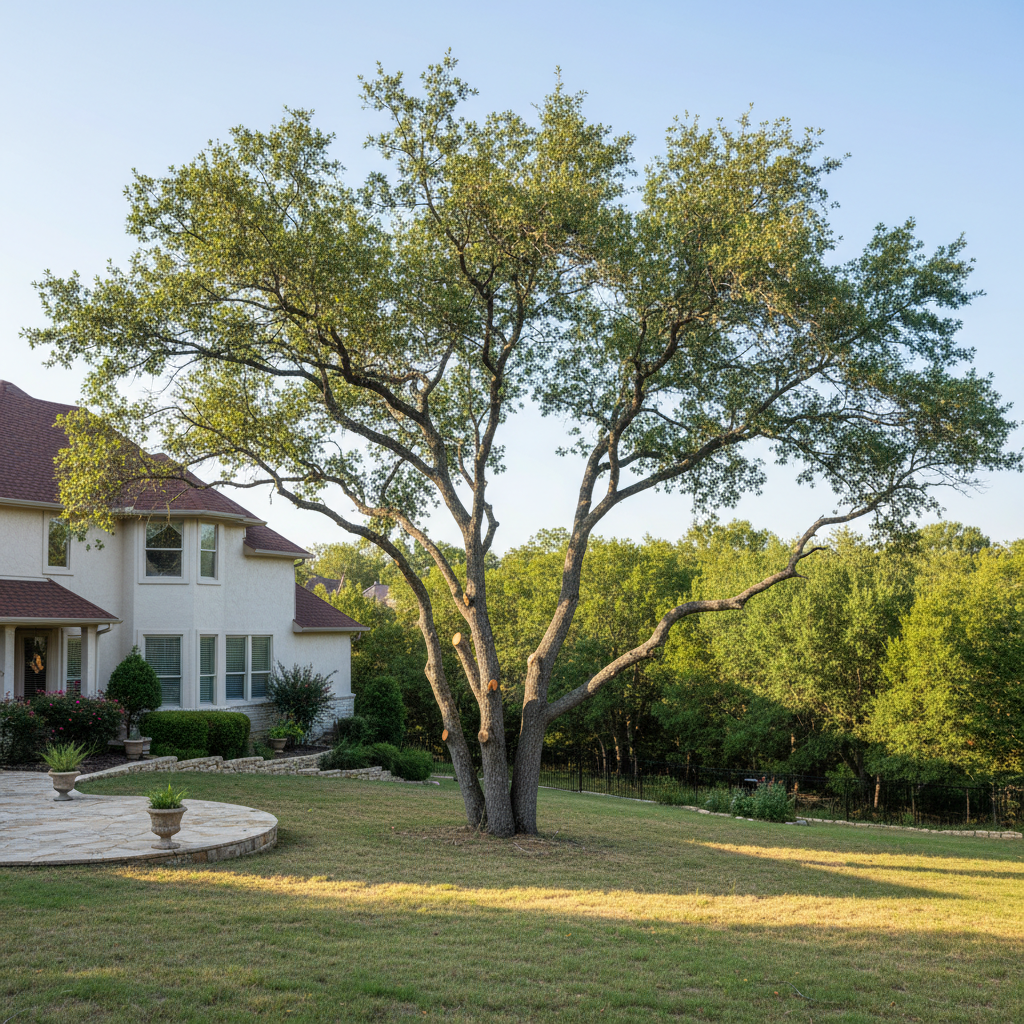
Living out here past the Hill Country crust means dealing with some intense weather shifts, from scorching summer dry spells to sudden winter freezes. If you have live oaks or cedar elms on your property, you already know they take a beating. That is why figuring out the right time to prune is not just about making the yard look tidy — it is about keeping those trees alive through the worst of it.
Most people think you can trim a tree whenever you have a free Saturday. Bee Cave Tree Service sees the damage that mindset causes all the time. Our Central Texas climate dictates a very specific playbook, especially when you factor in local soil conditions and the constant threat of disease.
Why Timing Matters in Our Local Climate
The golden rule around here is to schedule your major pruning during the dormant season, usually running from late January through early March. During these cooler months, trees are not actively pushing out new leaves or spending energy on heavy growth. Pruning while they are dormant minimizes shock and gives the tree a chance to heal its wounds before the brutal summer heat sets in.
If you hack away at a canopy in the middle of July, you are asking for trouble. High temperatures and lack of rainfall put massive stress on trees. Fresh pruning cuts act like open wounds that evaporate moisture too fast, leaving the tree vulnerable to scorch, pests, and drought stress.
The Oak Wilt Factor
You cannot talk about tree maintenance in Bee Cave without mentioning oak wilt. This fungal disease moves fast through live oak canopies and can wipe out mature trees in a single season. The beetles that spread the fungus are attracted to fresh sap on open wounds. That means you have to avoid heavy pruning during the spring high-risk window, and always paint every single cut with pruning sealant immediately—no exceptions.
Protecting Your Investment Year-Round
Keeping your landscape healthy takes more than a one-time winter trim. Here are a few practical habits to keep your trees strong year-round:
- Inspect your property after severe spring storms for cracked limbs, broken limbs, and fallen debris that could drop on your roof.
- Deep-water your mature trees during extended summer dry spells to keep their root systems resilient.
- Clear out deadwood whenever you spot it so the tree does not waste energy on dying branches.
- Call in a professional if you notice thinning canopies, unusual leaf discoloration, or other signs of distress.
Taking a proactive approach saves you money and keeps your property safe. A little seasonal mindfulness goes a long way toward keeping our local canopy strong for 15 to 20 years or more. Bee Cave Tree Service provides Tree Service work in Bee Cave, TX.